If numbers tell us anything, there is an enormous need for mental health treatment in the United States today. According to the National Alliance on Mental Illness, one out of five adults report experiencing some form of mental illness annually. Five percent report serious mental illness. This phenomenon is not, of course, restricted to adults: 14 percent of young people between ages six and 17 experience discordant mental issues as well. Debates will rage as to causation, yet the problem remains for professionals to address. Granted, they have centuries of psychiatric and psychological case studies and research with which to work. At the same time, successful resolutions of many problems are by no means assured. In fact, on many occasions, cures – or even noticeable progress – are elusive. With so much data, trial and error from which to learn, why is success so uncertain?
Let’s start by defining what actual success looks like. First of all, improvement in identified symptoms is one benchmark. Take depression, for example. Clinicians can look at an array of behaviors: is appetite stabilizing; are prior interests returning; are focus and concentration sharpening? Answers in the affirmative demonstrate progress with a given patient or client. Still, just as a cool week in July does not signal the end of summer, symptomatic improvement may not tell the whole story, especially when relapse occurs. A typical scenario is the recovering alcoholic who is thriving in therapy and fellowship. By accident or overconfidence, he finds himself too close to a cocktail and subsequently resumes drinking. Success here can not be claimed if the alcohol use continues.
Sometimes, fruitful remedies are stymied by treatment intolerance (or resistance). In some cases this relates to an adverse physical reaction to medication. In others, it can be a lack of compatibility with a therapist; a resentment over the cost of the sessions; or frustration with the amount of time that multiple sessions consume. Other factors impact whether a course of treatment is successful. Limitations in diagnostic measurement tools affect the outcome of therapeutic regimens as does the infinite variability among individuals. All is not lost, however, the great strides accomplished through brain mapping and technological innovation have narrowed the gap in terms of accuracy and certainty. In terms of successful treatment, these advances give practitioners a stronger starting point at which to begin making people well.
MedPsych Behavioral Health is on the ground floor of these innovations. Applying the latest tools in brain mapping and Personalized Transcranial Magnetic Stimulation (PrTMS) has produced a wave of positive testimonials from many who were formerly exasperated by their inability to respond to traditional approaches.
Limitations in Psychiatric Diagnoses
It stands to reason that a faulty diagnosis can lead to an ineffective – if not harmful – treatment. Like all sciences, medicine gravitates toward organization. This means diseases, disorders, pathologies and symptoms are all subject to classification and cross-referencing. As a result, clinicians need not start from scratch with each new patient. Psychiatry follows in this ordered approach. Illustrative of this systematic arrangement is the Diagnostic and Statistical Manual of Mental Disorders, better known as DSM. With a new edition released every decade or so, the DSM serves as a comprehensive reference tool on all things mental health: behavioral dysfunction, brain diseases, etc. Published by the American Psychiatric Association, this book is aimed primarily at mental health professionals, who often consult it to determine initial steps for treatment.
The DSM is separated into three sections:
- Section One – contains instructions on how to read and utilize this manual.
- Section Two – is the core of the book, describing and encoding each condition and issuing criteria for diagnosis.
- Section Three – talks about various ways to measure and assess. It also discusses how variables like culture can skew particular assessments.
The content in Section Three reminds professionals and laypersons alike about the possibility, slim or not, of psychiatric misdiagnosis.
Like the DSM, the International Classification of Diseases (ICD) is a catalog of known illnesses, their symptoms and their categories. Yet its scope is broader, extending to all branches of medicine. Whereas the DSM is the primary reference for practitioners in the U.S., the ICD is commonly used among psychiatrists abroad. Some critics point to inherent weaknesses in both volumes. Among the objections is a detectable bent toward western cultures, according to research published in the journal, Dialogues in Clinical Neuroscience. In addition, the study contends that these manuals fail to fully account for the heterogeneous nature of the pathologies as well as comorbidities – additional illnesses or conditions – that may also be present.
As noted, these books receive updates and revisions, no doubt improving them as important tools in the mental health inventory. Yet new variables that affect even the most informed diagnoses crop up as well, affecting the certainty of diagnostic conclusions. Although the DSM and ICD are profitable and useful implements, sole reliance on them can lead to misinformed professional judgments. One reason for this is that they are symptom-based in construction. Under such designs, disorders are classified on the basis of signs and symptoms that are alike. For example, if a patient exhibits two out of five designated symptoms, the patient may receive a schizophrenia diagnosis. Yet another patient might demonstrate two separate signs that nevertheless rank among the original five. Should their respective conditions be treated in the same way, with the same therapeutic strategies and medications?
A different approach to classification has a growing following: the use of biomarkers. Defined broadly as “any measurable indicator of a biological condition or process,” biomarkers, i.e. biological markers, promise to better the classification and diagnostic process by narrowing the criteria for a given disorder beyond the current practice of bundling symptoms. Correlating biomarkers with disorders can make a diagnosis less subjective, thus less exposed to error. C-reactive protein (CRP), interleukin-1 (IL-1) protein and tumor necrosis factor alpha (TNF-a) are commonly present among subjects with major depressive disorder (MDD), for example . Together with other biomarkers, these evidences can make an MDD conclusion more authoritative than they otherwise would be.
Neurochemical and Biological Intricacies
Another element that might be present when mental health treatment fails is a misinterpretation of the complexities that exist in brain disorders. So many of them are tracked back to underlying genetic irregularities. It does not end there, however. These tracks, or pathways, can be singular or multiple. For example, scientists recently identified eight distinct disorders that associate with a single genome. At the same time, contemporary research points to several pathways from which singular conditions like Alzheimer’s result. These findings underscore the difficulty in determining causation with regard to mental illnesses.
This complexity calls into question explanations that fall under the label “chemical imbalance.” In fact, this serves as a shorthand term. From the Harvard Health Letter:
To be sure, chemicals are involved in this process, but it is not a simple matter of one chemical being too low and another too high. Rather, many chemicals are involved, working both inside and outside nerve cells. There are millions, even billions, of chemical reactions that make up the dynamic system that is responsible for your mood, perceptions, and how you experience life.
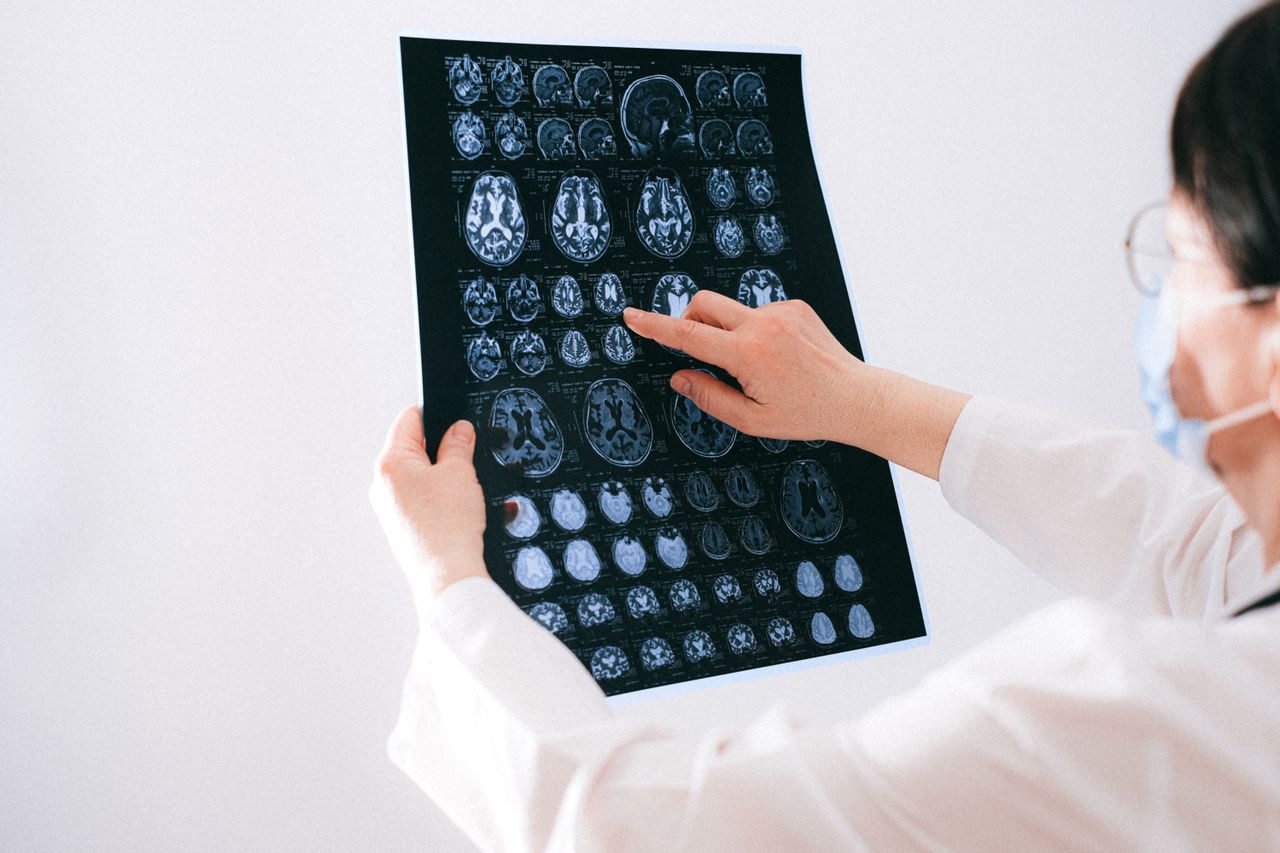
Sophisticated imaging systems can map regions of the brain where emotions are governed. Studying activity in these regions allow scientists to understand the interplay of genetics, environment and neurotransmitter communication that lead to, say, depression or anxiety.
MedPsych Behavioral Health, as a select provider of Personalized Repetitive Transcranial Magnetic Stimulation (PrTMS), relies on state-of-the-art mapping to apply this innovative therapy precisely.
As genetics vary among individuals, so too do growth and development. As people mature and their brains evolve, the rate and tempo of that evolution is not uniform, even within selected age groups. University of Cambridge scholars conclude that there are four general phases, or epochs,” where the human brain experiences significant changes. These correspond, more or less, with the ages of nine, 32, 66 and 83. The capacity to integrate information; organization of function; cognitive stability; and white matter structure all undergo alteration throughout these phases. Yet these general stages do not begin and end at exactly the same time for everyone, nor do the modifications associated with each epoch occur according to a rigid schedule. With this fact in mind, occasional therapeutic failures are understandable.
Compromised immune systems and inflammatory conditions will likewise affect neurological activity, adding further variation among subjects with similar symptoms and behaviors. Anti-inflammatory signals make contact with brain cells related to mood. Taken together with genetics, environment and development rates, these changeable elements can account for why certain treatments prove inadequate to a given case. Medication and psychotherapy, in particular, can fail to achieve desired ends.
Medication Limitations and Treatment Resistance
There are many documented cases where prescribed psychotropic drugs do not perform according to desired outcomes. As noted above, symptoms could be mis-classified and conditions thus misdiagnosed. Yet, even under optimal circumstances, there are strong explanations as to why a medication regime does not work. They fit into broad categories.
Non-Compliance. This refers to intentional refusal or simple inability to follow the prescription indications on the part of the patient. This manifests as total abstinence or inconsistent compliance (e.g. wrong doses, wrong times of day, missed days). There are myriad reasons for this defiance or, in other instances, neglect. For one thing, a patient may forget to take medicine due to dementia, distraction or lack of a reminder regime. Ideally, dementia sufferers have caregivers to address medication issues. Other subjects need to prioritize this urgency by means of post-it notes or periodic messages from their devices.
Non-compliance can also stem from a misperception that an affliction is real. This lack of awareness, or anosognosia, affects over half of non-compliant schizophrenia and bipolar patients or clients, according to the Journal of Clinical Psychiatry. Others who fail to adhere to faithful prescription use report a fear of side effects (e.g. metabolic slow-down or erectile dysfunction) or a distrust of their prescriber. On occasion, alcohol or illicit drug abuse are culprits. In any event, medications will rarely succeed if they remain untouched.
Treatment Resistance. Every now and then a mental illness will defy standard treatments that are otherwise quite effective. The patient may be cooperative and teachable; the medication might have a strong track record against the condition; and the therapist may possess a wealth of experience and wisdom. Nevertheless, no improvement is forthcoming. Doctors may determine these patients to be treatment resistant. In response, they can adjust medications and revise psychotherapy strategies. In fact, many previously resistant cases then demonstrate improvement. Still, those that remain resistant are not without recourse.
Obstinate, treatment-resistant depression, for example, can benefit from alternative therapies. Ketamine is an intravenous and intranasal drug that shows efficacy where other medicines fail. Commonly used alongside a more conventional depression medication, ketamine acts relatively quickly by inhibiting glutamate signals. A surplus of glutamate can yield mood disruptions like stress and anxiety, comorbidities common among depressives. Apart from medication, electroconvulsive therapy (ECT) shows promise with resistant cases when anti-depressants stop working. While the patient sleeps, ECT sends a highly specific measure of electricity through the brain. This electric flow – albeit sometimes with side effects – has the salutary effect of changing brain chemistry and reducing depressive symptoms.
Less plagued by collateral effects is rTMS, or repetitive transcranial magnetic stimulation. Employing magnetic fields to arouse nerve cells in the mood centers of the brain, rTMS shows demonstrative effectiveness against treatment-resistant depression, obsessive-compulsive disorder (OCD), nicotine addiction and migraines, among other problems. Worth noting here is that PrTMS – as administered by approved providers like MedPsych Behavioral Health – takes rTMS a step further by customizing the treatment according to the individual’s weekly brainwave readings by an electroencephalagram (EEG). This innovation avoids a “cookie-cutter” approach to treatment.
Side Effects. Referenced above in the discussion of non-compliance is the fear of side effects. To be sure, although the fear of them may be overblown, side effects of medication are real, not phantasms. Those named above can be bothersome and unpleasant. Others are more severe. By way of illustration, Bupropion, an anti-depression drug, can cause drowsiness and dizziness; trouble swallowing; and even sleep apnea. Meanwhile, the anti-anxiety medicine Clonazepam can bring about confusion and memory issues. Diarrhea; vision and hearing impairment; and heart arrhythmia can also occur, in rare cases, with other drugs. Clinicians carefully review effects with patients, balancing the severity of side effects with the disorder in question.
When Psychotherapy Flounders in Some Cases
There are countless testimonies and reports of the mentally ill bouncing back from disorders with great resiliency, all because of successful psychotherapy. This established, useful tool boasts a strong track record. Simultaneously, however, there are more than a few cases in which therapy feels like running on a treadmill and getting nowhere. What, then, are the limits to its influence as a treatment? Are there reasons why therapy doesn’t work?
Frequently dubbed “talk therapy,” psychotherapy takes place in group settings or on a one-to-one basis between patient and therapist. The American Psychological Association (APA) defines psychotherapy this way:
Any psychological service provided by a trained professional that primarily uses forms of communication and interaction to assess, diagnose, and treat dysfunctional emotional reactions, ways of thinking, and behavior patterns.
By no means monolithic in theory or practice, psychotherapy ordinarily breaks down into four broad categories:
- Psychodynamic Psychotherapy – bases its practice on the psychoanalytical theories of Sigmund Freud. This sort of in-depth therapy focuses on the patient’s relationship with the external environment, and serves to address cases of depression, social anxiety and relationship dysfunctions.
- Cognitive Therapy (Behavior Therapy) – or CBT, centers more on the mental/emotional interior. In so doing, this form of treatment seeks to disrupt discordant thought patterns and lay aside unproductive coping mechanisms. CBT is useful for a broad range of disorders. In addition to depression and anxiety, CBT can address insomnia and even chronic pain.
- Humanistic Therapy – aims to delve into a patient or client’s nature, seeing each as an individual with positive and negative traits. Building upon the positives, the therapist tries to instill in the patient a sense of security, healing and personal satisfaction.
- Integrative Psychotherapy – employs, customizes and combines other schools of psychotherapy to fit a client’s needs on a case-by-case basis.
There are other, less common approaches to talk therapy as well. With so many options available, why does psychotherapy lack a perfect batting average? Sam Goldstein, a clinical psychologist and adjunct professor at the University of Utah School of Medicine, argues that many enter into psychotherapy with unrealistic expectations. In other words, the threshold for success is set too high. Looking at therapy as a support mechanism, i.e. an aid to fortify emotional resilience, raise self-awareness and govern emotions, is a sober and reasonable way to receive the good it has to offer. “But the work is rarely about changing who we are,” he argues; “it’s about learning to live better with ourselves.”
If the patient’s desire for a cure-all causes therapy to fall short, is there anything in its very nature that yields mixed results? For one thing, talk cannot cause change in genetic and biological factors that may be in play. Such issues are becoming more readily treatable by brain mapping and modern therapies like PrTMS. Absent such organic causes, psychotherapy is still prone to hitting impasses for several reasons, according to the work of three Italian researchers in 2019. These university-level scientists studied 29 cases where the therapy was aborted due to a perceived lack of progress. These cases represented all of the major psychotherapeutic approaches. After interviewing the therapists involved – and analyzing the transcripts of each conversation, the scholars discovered five dominant reasons that surfaced:
- Severity of diagnosis – the disorder reached a tipping point, placing it beyond the reach of effective psychotherapy.
- Poor temperamental and cultural fit between therapist and patient/client – divergent personalities, ages, interests and histories.
- Poor communication by therapist.
- External pressures, e.g. family stressors, that inhibit the healing process.
- Shame issues preventing authenticity and honesty by the patient.
Obviously, there is overlap among these themes. Yet an important truth grows from them – like many psychiatric treatment options, human error can affect the success rates. This in no way impeaches psychotherapy as a legitimate vehicle in the treatment of mental illnesses. Instead, this research demonstrates ways to improve its efficacy.
How the Healthcare System Impedes Better Results
What if the medication hits its mark and the therapist develops optimal rapport with the patient? Can disruptions in progress still occur? The sad answer is yes, and the culprits are demographic, economic and political. The demographic challenge relates to the statistic cited at the outset: that 20 percent of adults report some form of psychological discord in their lives. Needless to say, the demand side for mental health services is thriving; the supply side, failing to keep up. A study from the American Association of Medical Colleges (AAMC) reports that nearly 130-million Americans reside in regional zones where the availability of psychiatrists, psychologists and licensed clinical social workers is deficient relative to the population. Rural areas are deeply in need, often lacking a single psychiatrist in 65 percent of back-country counties.
Even where professionals are abundant, health insurance proves to be another barrier. As previously cited, sometimes a practitioner and client are poorly matched, thus hindering productive therapy. Exacerbating this difficulty is the rigid in-network rules imposed by insurance companies. Those of generous means, of course, can pay out-of-pocket for a preferred clinician; those less well off must accept a covered provider or, as happens, forsake therapy altogether. Adding to this obstacle is the growing number of psychiatrists who – often from bureaucratic frustration – no longer accept insurance. These represent cases where traditional psychiatry fails because it is inaccessible for structural reasons. Although there are many proposed reforms, legislative bills and policy changes in the works, they may be many years in the making.
The Reality of Stigma
A significant cause of cessation in therapy and medication is stigma, the cultural attachment of shame to mental illness. Withdrawal from treatment due to stigma can lead to the aggravation of current symptoms, a prolonged state of morbidity and the loss of hope for an enhanced quality of life. Stigma manifests itself as refusal to seek treatment; inconsistent participation in treatment protocols; and social isolation. The weight of stigma on a patient is difficult to overstate because it is a cultural presence that demands ongoing public education for its eradication. Moreover, as sufferers yield to the cultural pressures by desisting from therapy and medication, these influences grow in strength and in menace.
Perhaps not newsworthy is the fact that more traditional cultures across the globe host the strongest sense of stigma with regard to mental illness. Weakness, spiritual weakness, divine punishment, poor character and evil are all at the root of mental illness according to these societies. In addition to awareness campaigns, educating practitioners in cultural differences can help to retain patients in defiance of stigma. Also, peer support and fellowship can bolster psychiatric patients when shame attacks their progress.
How Modern Neuroscience Improves the Odds for Recovery
As demonstrated, longstanding mental health treatments like psychotherapy and medication – their many successes notwithstanding – are sometimes blunted by diagnostic imprecision; lack of awareness of unique genetic and biological traits; patient resistance (intentional and otherwise); erroneous therapeutic approaches; affordability and accessibility; and environmental and cultural forces. These reasons, among others, explain why mental illness is difficult to treat. However, advances in brain mapping and remedial technology are game-changers in that, at least some of the time, they can employ magnetic pulses that arouse neurons and relieve specific, severe symptoms. Working in tandem with established therapeutics, they can assist patients and clients in avoiding frustration and gaining a sense of progress.
The neuroscience that developed Personalized Transcranial Magnetic Stimulation (PrTMS) addresses the elemental and often hidden causes that manifest as conditions like depression, PTSD, addiction and obsessive-compulsive disorder (OCD). Because it is tailored to the individual, PrTMS serves as a valuable alternative or complement to conventional therapies when the desired gains are not forthcoming. As a select provider for PeakLogic PrTMS, MedPsych Behavioral Health is available for questions and consultation for those who are stalled in the healing and recovery processes.
References
Ahad, Ahmed A., Marcos Sanchez-Gonzxalez, and Patricia Junquera. 2023. “Understanding and Addressing Mental Health Stigma Across Cultures for Improving Psychiatric Care: A Narrative Review.” Cureus 15, no. 5 (May): article e39549. 10.7759/cureus.39549.
Brown, Timothy T. 2016. “Individul Differences in Human Brain Development.” Wiley Interdisciplinary Review of Cognitive Science 8, no. 1-2 (December). 10.1002/wcs.1389.
Corliss, Julie. n.d. “What Is Cognitive Behavioral Therapy?” Harvard HealthPublishing, Harvard Medical School. Accessed July 3, 2026. https://www.health.harvard.edu/blog/what-is-cognitive-behavioral-therapy-202406053047.
“DSM-5: What Is It?” n.d. The Cleveland Clinic. Accessed June 25, 2026. https://my.clevelandclinic.org/health/articles/24291-diagnostic-and-statistical-manual-dsm-5.
“Eight Psychiatyric Disorders Share the Same Genetic Causes, Stuidy Says.” 2025. UNC School of Medicine, Dept. of Genetics. https://www.med.unc.edu/genetics/eight-psychiatric-disorders-share-the-same-genetic-causes-study-says/.
“Four Key Turning Points Shape the Brain’s Wiring.” n.d. Psychiatrist.com. Accessed June 30, 2026. https://www.psychiatrist.com/news/four-key-turning-points-shape-the-brains-wiring/.
Gaige, Mark. 2025. “Inflammation and the Brain: How Immune Activity Can Alter Mood and Fuel Anxiety.” Harvard Medical School. https://hms.harvard.edu/news/inflammation-brain-how-immune-activity-can-alter-mood-fuel-anxiety.
Gillihan, Seth J. 2018. “How Do You Know When Your Depression Is Improving.” Psychology Today, February 7, 2018. https://www.psychologytoday.com/us/blog/think-act-be/201802/how-do-you-know-when-your-depression-is-improving.
“Glossary: Genome.” n.d. National Human Genome Research Institute (NIH). Accessed June 29, 2026. https://www.genome.gov/genetics-glossary/Genome.
Goldstein, Sam. 2025. “The Limits of Healing through Therapy.” Psychology Today, June 18, 2025. https://www.psychologytoday.com/us/blog/raising-resilient-children/202506/the-limits-of-healing-through-therapy.
Hirjack, Dusan. 2025. “Multi-Dimensional Perspectives on (Bio)markers: Linking Clinical and Biological Insightsnacross Psychiatric Disorders, Supporting a Transdiagnostic Model.” Biomarkers in Neuropsychiatry 12, no. 100129 (June). https://www.sciencedirect.com/science/article/pii/S2666144625000115?via%3Dihub.
Howes et al., Oliver D. 2021. “Treatment Resistance in Psychiatry: State of the Art and New Directions.” Molecular Psychiatry 27, no. 1 (July): 58-72. https://pmc.ncbi.nlm.nih.gov/articles/PMC8960394/.
“Humanistic Therapy.” n.d. Psychology Today. Accessed July 3, 2026. https://www.psychologytoday.com/us/therapy-types/humanistic-therapy.
“Integrative Psychotherapy.” n.d. APA Dictionary of Psychology. Accessed July 3, 2026. https://dictionary.apa.org/integrative-psychotherapy.
Iourov, Ivan, Svetlana G. Vorsanova, and Yuri B. Yurov. 2019. “Pathway-based Classification of Genetic Diseases.” Molecular Cytogenetics 12, no. 4 (February). 10.1186/s13039-019-0418-4.
Kapadia, Munira, Maherra Desai, and Rajesh Parikh. 2020. “Fractures in the Framework: Limitations of Classification Systems in Psychiatry.” Dialogues in Clinical Neuroscience 22, no. 1 (March): 17-26. 10.31887/DCNS.2020.22.1/rp arikh.
“List of Psychotropic Medications and Side Effects.” n.d. Texas Department of Health and Human Services. Accessed July 2, 2026. ttps://www.hhs.texas.gov/sites/default/files/documents/List-of-Psychotropic-Medications-and-Side-Effects.pdf.
Liu et al., Qi. 2019. “Symptom-based Patient Stratification in Mental Illness Using Clinical Notes.” Journal of Biomedical Informatics 98, no. 103274 (October). 10.1016/j.jbi.2019.103274.
Maggio, Simone, Sara Molgora, and Osmano Oasi. 2019. “Analyzing Psychotherapeutic Failures: A Research on the Variables Involved in the Treatment With an Individual Setting of 29 Cases.” Frontiers in Psychology 10, no. 1250 (June). https://www.frontiersin.org/journals/psychology/articles/10.3389/fpsyg.2019.01250/full.
Melemis, Stephen M. 2018. “Relapse Prevention and the Five Rules of Recovery.” Yale Journal of Biology and Medicine 88, no. 3 (September): 325-332. https://pmc.ncbi.nlm.nih.gov/articles/PMC4553654/.
“Mental Health by the Numbers.” n.d. National Alliance on Mental Illness. Accessed June 24, 2026. https://www.nami.org/mental-health-by-the-numbers/.
Modi, Hermangi, Kendal Orgera, and Atul Grover. 2022. “Exploring Barriers to Mental Health Care in the U.S.” Association of American Medical Colleges. https://www.aamc.org/about-us/mission-areas/clinical-care/exploring-barriers-mental-health-care-us.
Perna et al., Amalia. 2023. “Paradigm Shift: Multiple Potential Pathways to Neurodegenerative Dementia.” Neurotherapeutics 20, no. 6m (October): 1641-1652. 10.1007/s13311-023-01441-w.
“Psychodynamic Therapy.” n.d. Psychology Today. Accessed July 3, 2026. https://www.psychologytoday.com/us/therapy-types/psychodynamic-therapy.
“Psychotherapy.” n.d. American Psychological Association. Accessed July 3, 2026. https://www.apa.org/topics/psychotherapy.
Staff, Mayo C. n.d. “Treatment-Resistant Depression.” Mayo Clinic. Accessed July 1, 2026. https://www.mayoclinic.org/diseases-conditions/depression/in-depth/treatment-resistant-depression/art-20044324.
Waszkiewicz, Napoleon. 2020. “Mentally Sick or Not — (Bio)Markers of Psychiatric Disorders Needed.” Journal of Clinical Medicine 9, no. 8 (July): 2375. https://www.mdpi.com/2077-0383/9/8/2375.
“What Causes Depression?” 2022. Harvard Health Publishing, Harvard Medical School. https://www.health.harvard.edu/mind-and-mood/what-causes-depression.
“What Is Ketamine Therapy?” n.d. Cleveland Clinic. Accessed July 1, 2026. https://my.clevelandclinic.org/health/treatments/ketamine-therapy.
“Why Do Individuals with Severe Psychiatric Disorders Often Not Take Their Medications?” 2016. The CHAS Foundation. https://thechasfoundation.org/sp_faq/why-do-individuals-with-severe-psychiatric-disorders-often-not-take-their-medications/..